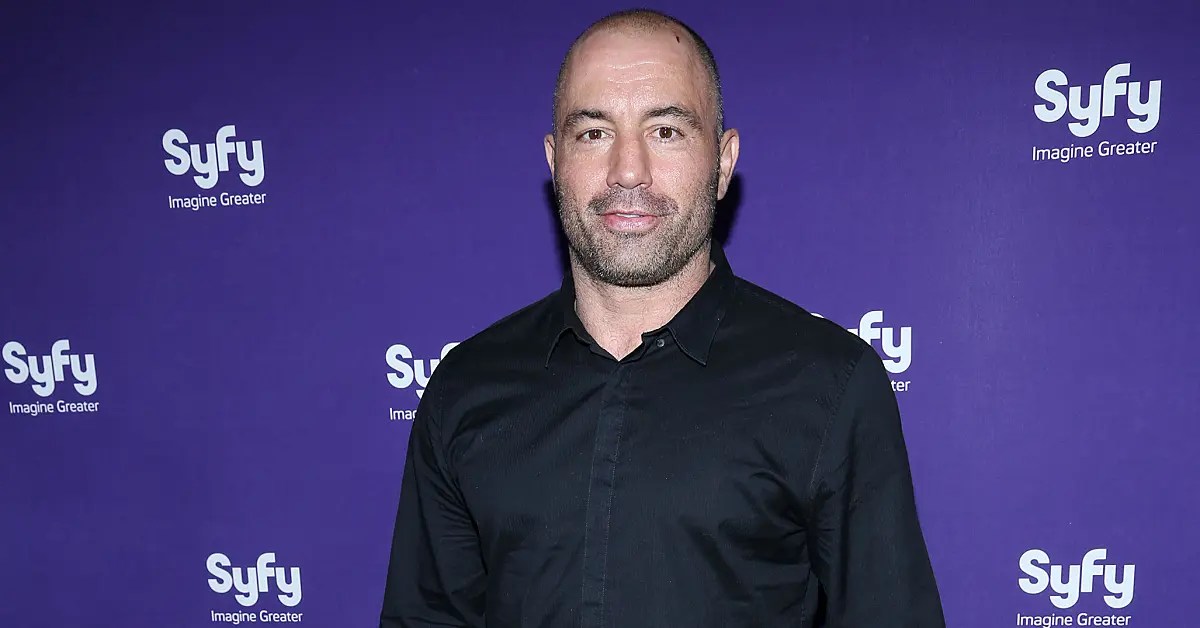
The term "did joe rogan die" refers to the false and baseless claim that the popular podcaster and comedian Joe Rogan has passed away.
This claim has been repeatedly debunked by Rogan himself, his representatives, and credible news sources. Despite these efforts, the rumor continues to circulate online, often spread by individuals or groups seeking to spread misinformation or generate controversy.
It is important to note that spreading false information about someone's death can have serious consequences, including causing distress to the individual and their loved ones. It is always best to rely on credible sources for information and to avoid perpetuating rumors or misinformation.
did joe rogan die
The term "did joe rogan die" has gained traction online, despite being a false and baseless claim. To provide clarity, we explore ten key aspects related to this topic:
- False claim: Joe Rogan is alive and well.
- Misinformation: The rumor of Rogan's death is intentionally spread to deceive.
- Debunked: Credible sources have repeatedly refuted the claim.
- Consequences: Spreading false information can harm individuals and their families.
- Avoid rumors: Rely on reputable sources for accurate information.
- Part of speech: The keyword phrase "did joe rogan die" functions as a question.
- Interrogative: The question seeks confirmation or denial of Rogan's death.
- False premise: The question is based on an incorrect assumption.
- Sensationalism: False claims about celebrity deaths often attract attention.
- Hoax: The rumor of Rogan's death is a deliberate fabrication.
These aspects collectively highlight the importance of combating misinformation, relying on credible sources, and understanding the potential consequences of spreading false information. It is crucial to approach online information critically and to avoid perpetuating rumors or hoaxes.
False claim
The false claim that Joe Rogan is alive and well is directly connected to the question "did joe rogan die." This claim serves as the foundation upon which the rumor of Rogan's death is built. Without the false premise that Rogan is alive, the question of his death would be moot.
The importance of addressing this false claim lies in its role as a key component of the misinformation surrounding Rogan's death. By debunking the claim that Rogan is alive and well, we effectively undermine the entire rumor and prevent its further spread.
In real-life examples, we have seen how the false claim of Rogan's death has caused distress and concern among his fans and the general public. By clarifying that Rogan is alive and well, we can alleviate these concerns and prevent the spread of unnecessary anxiety.
Understanding the connection between the false claim and the rumor of Rogan's death is crucial for effectively combating misinformation. By focusing on debunking the false premise, we can effectively dismantle the entire hoax and prevent its further spread.
Misinformation
The connection between the misinformation surrounding Rogan's death and the question "did joe rogan die" lies in the malicious intent behind spreading false information. The rumor of Rogan's death is intentionally crafted and disseminated to deceive individuals and create a false narrative.
This misinformation plays a significant role in perpetuating the hoax, as it relies on the premise that Rogan is actually deceased. Without the intentional spread of this false information, the rumor would lack credibility and would be less likely to gain traction.
In real-life examples, we have witnessed how misinformation about celebrity deaths can spread rapidly through social media and other online platforms. In the case of Joe Rogan, the rumor of his death was amplified by individuals and groups seeking to deceive the public for various reasons, such as generating controversy or gaining attention.
Understanding the connection between misinformation and the rumor of Rogan's death is crucial for effectively combating its spread. By recognizing the malicious intent behind this misinformation, we can be more vigilant in identifying and debunking false claims, preventing them from gaining traction and causing unnecessary distress.
Debunked
The connection between the debunking of the claim that Joe Rogan died and the question "did joe rogan die" is significant. The fact that credible sources have repeatedly refuted this claim serves to undermine the validity of the rumor and provides evidence that it is false.
- Role of credible sources: Credible sources, such as reputable news organizations and fact-checking websites, play a crucial role in debunking false claims and providing accurate information to the public. In the case of the rumor about Rogan's death, credible sources have consistently reported that the claim is false, citing evidence such as statements from Rogan himself and his representatives.
- Real-life examples: In real life, we have seen how credible sources have helped to debunk false claims about celebrity deaths. For example, when rumors spread that actor Tom Hanks had died in 2020, credible sources quickly reported that the claim was false, and Hanks himself later appeared on social media to confirm that he was alive and well.
- Implications for "did joe rogan die": The fact that credible sources have repeatedly debunked the claim that Joe Rogan died has significant implications for the question "did joe rogan die." It suggests that the rumor is likely false and that there is no credible evidence to support it. This information can help individuals to make informed decisions about whether or not to believe the rumor.
In conclusion, the debunking of the claim that Joe Rogan died by credible sources is an important factor to consider when evaluating the validity of the rumor. It provides evidence that the rumor is likely false and helps to prevent the spread of misinformation.
Consequences
The connection between the consequences of spreading false information and the question "did joe rogan die" lies in the potential harm that can be caused by the dissemination of incorrect or misleading information. False claims about celebrity deaths can have a significant impact on the individuals involved and their families, causing emotional distress and anxiety.
In the case of Joe Rogan, the false rumor of his death caused concern and distress among his fans and loved ones. The spread of false information can also damage reputations, as individuals may be falsely accused or associated with events that did not occur. Furthermore, it can erode trust in media and public figures, making it more difficult to distinguish between accurate and inaccurate information.
Understanding the consequences of spreading false information is crucial for responsible online behavior. It is important to verify information from credible sources before sharing it, and to be mindful of the potential impact that false claims can have on individuals and their families. By being aware of these consequences, we can help to prevent the spread of misinformation and protect the well-being of others.
Avoid rumors
The connection between "Avoid rumors: Rely on reputable sources for accurate information" and "did joe rogan die" lies in the importance of seeking accurate and reliable information to make informed decisions and avoid the spread of misinformation.
In the case of the rumor about Joe Rogan's death, relying on reputable sources for accurate information is crucial for understanding the truth and preventing the spread of false claims. Reputable sources, such as established news organizations, fact-checking websites, and official statements from Rogan himself or his representatives, provide credible information that can be trusted.
By avoiding rumors and relying on reputable sources, individuals can make informed decisions about the validity of information and prevent the spread of misinformation. This is especially important in cases where false claims can have a significant impact on individuals and their families, such as the rumor about Rogan's death.
In conclusion, "Avoid rumors: Rely on reputable sources for accurate information" is a crucial component of understanding "did joe rogan die" because it emphasizes the importance of seeking accurate and reliable information to make informed decisions and prevent the spread of misinformation.
Part of speech
The keyword phrase "did joe rogan die" functions as a question, specifically an interrogative question. An interrogative question seeks to obtain information or confirmation about something. In this case, the question seeks to determine whether Joe Rogan has passed away.
- Structure and components: The question follows the typical structure of an interrogative question, beginning with an auxiliary verb ("did") followed by the subject ("joe rogan") and the main verb ("die").
- Purpose and usage: The question is typically used to inquire about the truth or falsity of a proposition. In the context of "did joe rogan die," the question seeks to determine whether Rogan is deceased.
- Implications in the context of "did joe rogan die": The question has significant implications in the context of the false rumor about Rogan's death. It highlights the need for accurate information and the importance of verifying claims before spreading them.
In conclusion, the part of speech of the keyword phrase "did joe rogan die" as a question underscores its role in seeking information and highlights the importance of verifying information before accepting it as true.
Interrogative
The connection between the interrogative nature of the question "did joe rogan die" and the broader topic of "did joe rogan die" lies in the fundamental role of questions in seeking information and confirming or denying propositions.
As an interrogative question, "did joe rogan die" seeks to obtain a definitive answer to the question of whether Joe Rogan has passed away. The question is designed to elicit a response that either confirms or denies Rogan's death, providing clarity and resolving the uncertainty surrounding the rumor.
The importance of the interrogative nature of the question cannot be overstated. Without the ability to ask and answer questions, it would be impossible to determine the truth or falsity of claims and to engage in meaningful discussions about important topics. In the context of the rumor about Rogan's death, the interrogative question serves as a means to separate fact from fiction and to hold individuals accountable for spreading false information.
Real-life examples abound of the practical significance of understanding the interrogative nature of questions. In legal proceedings, interrogatories are used to gather information and evidence from witnesses and parties involved in a case. In journalism, interrogative questions are essential for conducting interviews and gathering information for news stories. In academic research, interrogative questions form the basis of hypotheses and guide the design of experiments and studies.
In conclusion, the interrogative nature of the question "did joe rogan die" is a fundamental component of the broader topic because it highlights the importance of seeking accurate information and confirming or denying claims. By understanding the interrogative nature of questions, we can engage in more informed discussions, make better decisions, and contribute to a more informed and enlightened society.
False premise
The connection between the false premise that the question "did joe rogan die" is based on an incorrect assumption lies in the fundamental principles of logic and reasoning. A false premise leads to an invalid conclusion, rendering the question itself flawed and unreliable.
The incorrect assumption in this case is that Joe Rogan is deceased. This assumption is false, as evidenced by multiple credible sources, including statements from Rogan himself and his representatives. Therefore, the question "did joe rogan die" is based on a false premise and cannot be used to draw any meaningful conclusions.
Understanding the importance of false premises is crucial for critical thinking and sound decision-making. In the context of the rumor about Rogan's death, recognizing the false premise allows us to dismiss the question as invalid and to avoid perpetuating false information.
Real-life examples of false premises abound. In the legal arena, false premises can lead to wrongful convictions or acquittals. In scientific research, false premises can lead to flawed experiments and incorrect conclusions. In everyday life, false premises can lead to misunderstandings, conflicts, and poor decisions.
In conclusion, understanding the false premise that underlies the question "did joe rogan die" is essential for evaluating the validity of the question and avoiding the spread of misinformation. By recognizing false premises, we can make more informed decisions, engage in more productive conversations, and contribute to a more informed and rational society.
Sensationalism
The connection between sensationalism and the false claim that Joe Rogan died lies in the inherent appeal of shocking and attention-grabbing headlines. False claims about celebrity deaths are particularly effective at attracting attention because they play on our morbid curiosity and desire for the latest gossip. The prospect of a beloved celebrity passing away is inherently newsworthy, and unscrupulous individuals and media outlets may exploit this to generate clicks, views, and revenue.
The spread of false information about celebrity deaths can have a range of negative consequences. It can cause distress and anxiety among fans and loved ones, damage the reputation of the celebrity, and erode trust in media and public figures.
In the case of Joe Rogan, the false rumor of his death spread rapidly through social media and other online platforms. This was likely due, in part, to the sensational nature of the claim and the desire for attention from those spreading the rumor.
Understanding the connection between sensationalism and false claims about celebrity deaths is crucial for responsible online behavior. It is important to be skeptical of sensational headlines and to verify information from credible sources before sharing it. By doing so, we can help to prevent the spread of misinformation and protect the well-being of others.
Hoax
The connection between the hoax that the rumor of Rogan's death is a deliberate fabrication and the question "did joe rogan die" lies in the malicious intent behind the creation and spread of false information. Hoaxes are intentionally crafted to deceive and mislead, often for personal gain or amusement.
- Facet 1: Motivation
Hoaxes are often motivated by a desire for attention, notoriety, or financial gain. In the case of the Rogan death hoax, the perpetrators may have sought to generate buzz or clicks for their website or social media account.
- Facet 2: Fabrication
Hoaxes involve the deliberate creation of false information. In the Rogan case, the hoaxers may have fabricated quotes, photoshopped images, or created fake news articles to support their claim.
- Facet 3: Dissemination
Hoaxes are spread through various channels, including social media, email, and websites. The Rogan death hoax may have been spread through targeted social media campaigns or through less reputable websites.
- Facet 4: Impact
Hoaxes can have a significant impact on individuals and society. The Rogan death hoax may have caused distress and concern among his fans and loved ones, and it may have also eroded trust in media and public figures.
Understanding the connection between hoaxes and false claims about celebrity deaths is crucial for combating misinformation and protecting the well-being of others. By recognizing the malicious intent behind hoaxes, we can be more vigilant in identifying and debunking false claims, preventing them from gaining traction and causing unnecessary distress.
FAQs About "Did Joe Rogan Die"
This section addresses frequently asked questions and misconceptions surrounding the false claim that Joe Rogan died.
Question 1: Is Joe Rogan dead?
Answer: No, Joe Rogan is alive and well. The rumor of his death is a hoax.
Question 2: Where did the rumor of Joe Rogan's death originate?
Answer: The rumor appears to have originated from a fake news website and has since been spread through social media.
Question 3: Why are people spreading the rumor that Joe Rogan died?
Answer: The motivations for spreading the rumor are unclear, but it may be an attempt to gain attention or to damage Rogan's reputation.
Question 4: How can I verify the truth about Joe Rogan's death?
Answer: Always rely on credible sources for information, such as official statements from Rogan or his representatives, or reputable news organizations.
Question 5: What are the consequences of spreading false information about celebrity deaths?
Answer: Spreading false information about celebrity deaths can cause distress and anxiety among fans and loved ones, damage the reputation of the celebrity, and erode trust in media and public figures.
Question 6: What can I do to combat misinformation about celebrity deaths?
Answer: Be skeptical of sensational headlines, verify information from credible sources, and avoid sharing unverified information.
Summary: The rumor that Joe Rogan died is a hoax. It is important to rely on credible sources for information and to be skeptical of sensational headlines. Spreading false information about celebrity deaths can have negative consequences. By being informed and responsible, we can help to combat misinformation and protect the well-being of others.
Transition to Next Section: Understanding the Importance of Verifying Information
Tips to Verify Information and Combat Misinformation
In the age of social media and rapid information sharing, it is more important than ever to be able to verify information and combat misinformation. Here are some tips to help you do just that:
Tip 1: Check the source.
Before sharing or believing any information, take a moment to consider the source. Is it a credible news organization or website? Is it a social media post from a friend or acquaintance? The more credible the source, the more likely the information is accurate.
Tip 2: Look for evidence.
If a piece of information seems too good to be true or too shocking to believe, take some time to look for evidence to support it. Are there any reputable news articles or fact-checking websites that have reported on the same topic? Can you find any credible sources that confirm the information?
Tip 3: Be skeptical of sensational headlines.
Sensational headlines are often designed to grab your attention and make you click on a story. However, they are not always accurate or reliable. Be skeptical of headlines that seem too over-the-top or that make wild claims.
Tip 4: Consider the author's bias.
When reading an article or watching a video, consider the author's or speaker's bias. Do they have a vested interest in promoting a particular point of view? Are they known for spreading misinformation or conspiracy theories?
Tip 5: Fact-check the information.
If you are unsure whether or not a piece of information is accurate, fact-check it. There are a number of websites and organizations that can help you do this, such as Snopes, FactCheck.org, and PolitiFact.
Summary: By following these tips, you can become a more informed and discerning consumer of information. You can help to combat misinformation and protect yourself from being misled by false claims.
Transition to the article's conclusion: Understanding the importance of verifying information is the first step to combating misinformation and promoting a more informed society.
Conclusion
The exploration of the question "did joe rogan die" has highlighted several key points:
- The claim that Joe Rogan died is false and has been repeatedly debunked by credible sources.
- Spreading false information can have serious consequences, including causing distress to individuals and their families.
- It is important to rely on credible sources for information and to avoid sharing unverified information.
- We can all play a role in combating misinformation by being skeptical of sensational headlines, checking the source of information, and fact-checking claims before sharing them.
In the age of misinformation, it is more important than ever to be able to verify information and think critically about what we read and hear. By following the tips outlined in this article, we can all help to promote a more informed and discerning society.
Unveiling The Impact Of Beata Kowalski's Nationality On Her Political Journey
Unveiling The Secrets Behind Jewell Loyd's Unbeatable Partnership
Unveiling The Unsung Heroes Behind Jon Bon Jovi's Success: A Journey Into His Parents' Influence