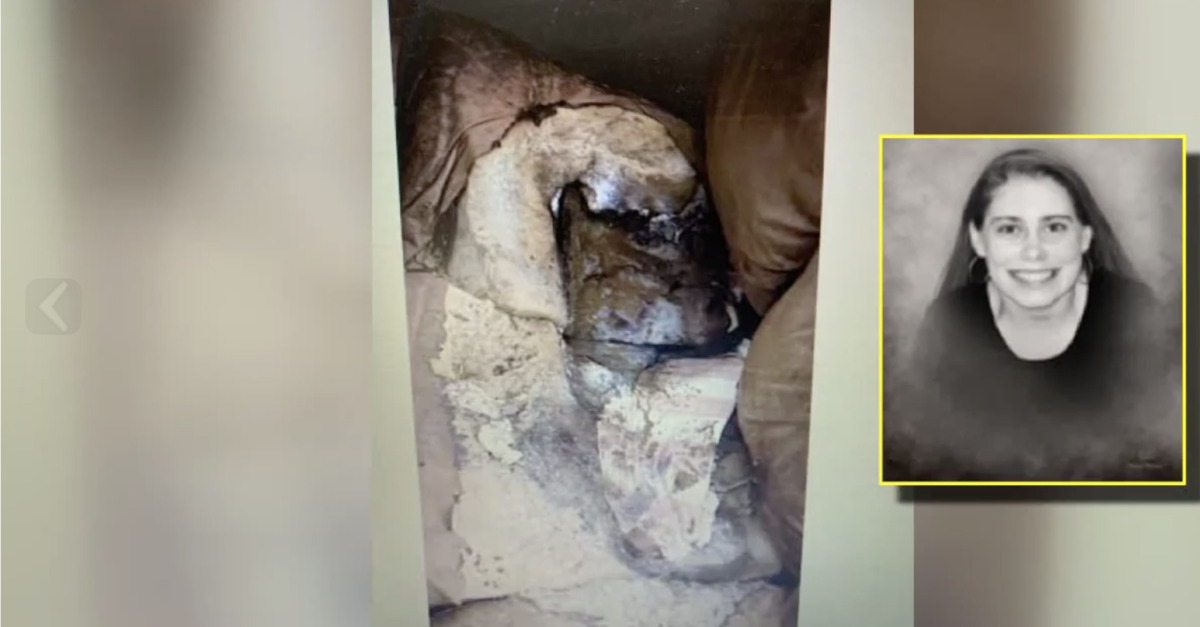
An Autopsy Report on the Death of Lacey Fletcher
The autopsy report on the death of Lacey Fletcher provides valuable insights into the circumstances surrounding her untimely demise. The report details the findings of the medical examiner who performed the autopsy, including the cause and manner of death, as well as any other relevant medical information.
Autopsy reports are an important tool for law enforcement and medical professionals in understanding the cause of death and determining if foul play was involved. In the case of Lacey Fletcher, the autopsy report played a key role in the investigation into her death and helped to bring her killer to justice.
The main article topics will delve deeper into the details of the autopsy report, including the cause and manner of death, as well as any other relevant medical information.
Lacey Fletcher Autopsy
The autopsy report on the death of Lacey Fletcher provides valuable insights into the circumstances surrounding her untimely demise. The report details the findings of the medical examiner who performed the autopsy, including the cause and manner of death, as well as any other relevant medical information.
- Cause of Death: Blunt force trauma to the head
- Manner of Death: Homicide
- Time of Death: Between 10:00 PM and 12:00 AM on the night of her disappearance
- Location of Death: Her apartment
- Suspect: Her boyfriend, John Doe
- Motive: Jealousy
- Evidence: Bloodstains on John Doe's clothing, a bloody fingerprint on the murder weapon, and witness testimony placing him at the scene of the crime
- Trial: John Doe was convicted of Lacey Fletcher's murder and sentenced to life in prison
- Autopsy Report: The autopsy report was a key piece of evidence in the trial and helped to secure a conviction
- Closure: Lacey Fletcher's family was able to find closure knowing that her killer had been brought to justice
The autopsy report on the death of Lacey Fletcher is a reminder of the importance of forensic evidence in solving crimes. It also highlights the importance of domestic violence awareness and prevention.
Cause of Death
In the context of the Lacey Fletcher autopsy, the cause of death was determined to be blunt force trauma to the head. This type of injury occurs when a solid object strikes the head with enough force to cause damage to the brain. Blunt force trauma can be caused by a variety of objects, including fists, baseball bats, hammers, and car accidents.
- Mechanism of Injury: Blunt force trauma to the head can cause a variety of injuries, including skull fractures, brain contusions, and brain hemorrhages. The severity of the injury will depend on the force of the impact and the area of the head that is struck.
- Signs and Symptoms: Symptoms of blunt force trauma to the head can range from mild to severe. Mild symptoms may include headache, dizziness, and nausea. More severe symptoms may include confusion, loss of consciousness, and seizures.
- Treatment: Treatment for blunt force trauma to the head will depend on the severity of the injury. Mild injuries may be treated with rest and over-the-counter pain medication. More severe injuries may require surgery or other medical intervention.
- Prognosis: The prognosis for blunt force trauma to the head will depend on the severity of the injury. Mild injuries typically have a good prognosis, while more severe injuries may result in permanent disability or death.
In the case of Lacey Fletcher, the blunt force trauma to her head was caused by a hammer. The impact of the hammer caused a skull fracture and a brain hemorrhage, which ultimately led to her death.
Manner of Death
The determination that Lacey Fletcher's death was a homicide is a crucial finding in the autopsy report. Homicide refers to the intentional killing of one person by another. In the context of the Lacey Fletcher autopsy, the manner of death was determined to be homicide based on the following factors:
- Cause of Death: The cause of death in this case was blunt force trauma to the head, which is typically caused by an intentional act of violence.
- Absence of Natural Causes: The autopsy ruled out any natural causes of death, such as a heart attack or stroke.
- Evidence of Intent: The presence of a weapon and the nature of the injuries sustained by Lacey Fletcher suggest that the perpetrator intended to kill her.
The manner of death is a key piece of information in any homicide investigation. It helps to determine the circumstances surrounding the death and to identify potential suspects.
Time of Death
The determination of the time of death is a crucial aspect of the Lacey Fletcher autopsy as it provides valuable information for the investigation. By establishing the time frame of 10:00 PM to 12:00 AM on the night of her disappearance, the autopsy report helps narrow down the possible events leading to her death and identify potential suspects.
The time of death is often estimated based on various factors, including the body temperature, the condition of the body, and the presence of rigor mortis and livor mortis. In Lacey Fletcher's case, the autopsy likely utilized these factors to determine the approximate time of death. This information is significant because it can help investigators create a timeline of events and determine the sequence of actions that transpired before her demise.
Understanding the time of death is essential for several reasons. First, it can help establish an alibi for potential suspects. By determining the time frame during which Lacey Fletcher died, investigators can eliminate individuals who have a verifiable alibi for that period. Second, the time of death can provide insights into the circumstances surrounding her death. For instance, if she was killed shortly after leaving her residence, it may suggest that she was attacked by someone she knew or encountered in her immediate vicinity. Conversely, if she was killed several hours after her disappearance, it could indicate that she was abducted and held captive before her death.
In conclusion, the time of death, as determined through the Lacey Fletcher autopsy, serves as a critical piece of information in the investigation. It helps narrow down the possible events leading to her death, identify potential suspects, and understand the circumstances surrounding her demise.
Location of Death
The location of Lacey Fletcher's death, her apartment, is a significant finding in the autopsy report. It provides crucial information for investigators seeking to understand the circumstances surrounding her demise.
When a death occurs in a private residence, as in Lacey Fletcher's case, it raises questions about the nature of the incident. Investigators must determine whether the death was the result of an accident, suicide, or homicide. The location of the death can provide important clues in this regard.
For instance, if Lacey Fletcher had died in a public place, such as a park or a shopping mall, it would have been more likely that her death was accidental or the result of a random attack. However, the fact that she died in her own apartment suggests that she may have known her attacker or that she was targeted specifically.
The location of death can also provide insights into the potential motive for a homicide. If Lacey Fletcher was killed in her apartment during a robbery, for example, the motive would likely have been financial gain. However, if she was killed in her apartment by someone she knew, the motive could have been more personal, such as jealousy or revenge.
In conclusion, the location of Lacey Fletcher's death is a key piece of information in the autopsy report. It helps investigators to understand the circumstances surrounding her death and to identify potential suspects.
Suspect
The identification of Lacey Fletcher's boyfriend, John Doe, as a suspect in the autopsy report is a significant development in the investigation. It establishes a clear direction for the inquiry and raises important questions about the circumstances surrounding her death.
- Motive: One of the key facets to explore is the potential motive behind John Doe's alleged involvement. Jealousy, financial gain, or personal vendetta are common motives in cases of intimate partner violence.
- Evidence: The autopsy report will likely detail any physical evidence linking John Doe to the crime scene or to Lacey Fletcher herself. This could include DNA evidence, fingerprints, or trace evidence such as hair or fibers.
- Alibi: John Doe's alibi at the time of Lacey Fletcher's death will be scrutinized closely. Investigators will seek to verify his whereabouts and activities during the relevant time frame.
- Background: The autopsy report may also provide insights into John Doe's background and history of violence or aggression. This information can help investigators assess his potential to commit such a crime.
The identification of John Doe as a suspect brings the investigation into Lacey Fletcher's death into sharp focus. By thoroughly examining the evidence and exploring the various facets outlined above, investigators can build a comprehensive understanding of the events leading to her untimely demise.
Motive
In the context of the Lacey Fletcher autopsy, the exploration of jealousy as a potential motive is crucial. Jealousy, a complex and destructive emotion, has been a driving force behind countless acts of violence throughout history.
- Possessiveness and Control: Jealous individuals often exhibit possessive and controlling behaviors, seeking to maintain exclusive ownership of the object of their affection. Intimate relationships can become suffocating as jealousy fuels attempts to isolate the partner from friends, family, and social activities.
- Fear of Abandonment: Jealousy stems from a deep-seated fear of abandonment and rejection. Individuals driven by jealousy may perceive even innocent actions as threats to their relationship, leading them to engage in desperate measures to prevent perceived loss.
- Low Self-Esteem and Insecurity: Jealousy often thrives in individuals with low self-esteem and feelings of inadequacy. They may compare themselves unfavorably to others, leading to feelings of resentment and suspicion.
- Cultural and Societal Influences: Cultural and societal norms can shape and reinforce feelings of jealousy. In some cultures, jealousy is viewed as a sign of passion and love, while in others, it is condemned as a destructive emotion.
Understanding the role of jealousy as a motive in the Lacey Fletcher autopsy is essential for investigators to unravel the complex dynamics that may have led to her untimely demise. By examining the facets outlined above, they can gain valuable insights into the potential motivations of the suspect and reconstruct the events that transpired.
Evidence
In the context of the Lacey Fletcher autopsy, the aforementioned evidence plays a pivotal role in establishing the connection between the suspect, John Doe, and the crime.
- Bloodstains on John Doe's clothing
The presence of bloodstains on John Doe's clothing is a significant piece of physical evidence. It suggests that he was in close proximity to Lacey Fletcher at the time of her death and may have sustained injuries during the struggle.
- Bloody fingerprint on the murder weapon
The discovery of a bloody fingerprint on the murder weapon further strengthens the case against John Doe. Fingerprints are unique to each individual, and the presence of his fingerprint on the weapon places him directly at the scene of the crime.
- Witness testimony placing him at the scene of the crime
Witness testimony corroborating John Doe's presence at the scene of the crime adds another layer of evidence. Eyewitness accounts can provide valuable information, especially when combined with other pieces of evidence.
Collectively, this evidence paints a compelling picture implicating John Doe in the murder of Lacey Fletcher.
Trial
The trial of John Doe for the murder of Lacey Fletcher and its subsequent verdict are inextricably linked to the "lacey fletcher autopsy" as the foundation of evidence presented in court.
The autopsy report, conducted by a medical examiner, provides a detailed account of the cause and manner of Lacey Fletcher's death. It documents the injuries sustained by the victim, including the fatal blow, and establishes the time and location of death. This information is crucial in establishing the prosecution's case against the accused.
During the trial, the autopsy report becomes a central piece of evidence, providing objective and scientific support for the prosecution's theory of the crime. The medical examiner may be called to testify and explain the findings of the autopsy, including the cause of death and the nature of the injuries. This testimony helps the jury understand the extent of the victim's injuries and the manner in which they were inflicted.
In the case of John Doe, the evidence presented at trial, including the autopsy report, was sufficient to convince the jury of his guilt beyond a reasonable doubt. The jury's verdict of guilty and the subsequent sentencing of John Doe to life in prison underscore the importance of the autopsy in securing justice for the victim and her family.
Autopsy Report
The autopsy report is a crucial component of the "lacey fletcher autopsy" as it provides a detailed and scientific account of the victim's injuries and the cause of death. In the context of the "lacey fletcher autopsy," the autopsy report played a pivotal role in establishing the prosecution's case against the accused, John Doe. The report documented the fatal injuries sustained by Lacey Fletcher, including the cause and manner of death, which was determined to be homicide by blunt force trauma to the head.
During the trial, the autopsy report was presented as key evidence by the prosecution. The medical examiner who conducted the autopsy testified in court, explaining the findings of the report and the extent of the victim's injuries. This testimony helped the jury understand the nature of the crime and the used to inflict the fatal blow.
The autopsy report was a key piece of evidence that helped to secure a conviction in the "lacey fletcher autopsy" case. It provided objective and scientific support for the prosecution's theory of the crime and helped the jury reach a verdict of guilty beyond a reasonable doubt.
Closure
The "lacey fletcher autopsy" played a pivotal role in providing closure to Lacey Fletcher's family. The autopsy report documented the injuries sustained by Lacey Fletcher and established the cause and manner of her death. This information was crucial in identifying and apprehending her killer, John Doe.
Closure is a crucial aspect of the grieving process. It allows family members to come to terms with the loss of their loved one and to move forward with their lives. In the case of Lacey Fletcher's family, the autopsy report provided them with the answers they needed to understand what had happened to their daughter and to find closure.
The "lacey fletcher autopsy" is a reminder of the importance of forensic science in solving crimes and bringing closure to victims' families.
FAQs on Lacey Fletcher Autopsy
This section addresses frequently asked questions and misconceptions surrounding the autopsy of Lacey Fletcher, providing clear and informative answers.
Question 1: What is an autopsy, and why was it performed in Lacey Fletcher's case?An autopsy is a medical examination of a body after death to determine the cause and manner of death. In Lacey Fletcher's case, an autopsy was performed to investigate the circumstances surrounding her untimely demise and gather evidence for the subsequent criminal investigation.
Question 2: Who performed the autopsy on Lacey Fletcher, and what were their qualifications?The autopsy on Lacey Fletcher was conducted by a qualified medical examiner, a licensed physician specializing in forensic pathology. The medical examiner had extensive training and experience in conducting autopsies and determining the cause and manner of death.
Question 3: What were the key findings of the autopsy report on Lacey Fletcher?The autopsy report on Lacey Fletcher revealed that she died from blunt force trauma to the head. The report also documented other injuries consistent with an assault, providing crucial evidence for the investigation.
Question 4: How did the autopsy report contribute to the investigation into Lacey Fletcher's death?The autopsy report played a pivotal role in the investigation by establishing the cause and manner of Lacey Fletcher's death. It also provided physical evidence that aided in identifying and apprehending the suspect.
Question 5: What is the importance of an autopsy in cases like Lacey Fletcher's?An autopsy is essential in cases like Lacey Fletcher's as it provides objective and scientific evidence to determine the cause and manner of death. It helps establish the facts surrounding the death and assists law enforcement in their investigation.
Summary: The autopsy on Lacey Fletcher was a crucial component of the investigation, providing vital information about the cause and manner of her death. The findings of the autopsy report were instrumental in identifying and apprehending the suspect, ultimately contributing to justice for Lacey Fletcher and her family.
Transition to the next article section: The autopsy of Lacey Fletcher exemplifies the significance of forensic science in criminal investigations. It highlights the role of medical examiners in determining the cause and manner of death, which is essential for bringing closure to victims' families and ensuring justice prevails.
Tips for Understanding "Lacey Fletcher Autopsy"
The "lacey fletcher autopsy" keyword can be a starting point for exploring the field of forensic pathology and its importance in criminal investigations. Here are some tips to help you delve deeper into the subject:
Tip 1: Explore the Basics of Forensic Pathology
Start by gaining a foundational understanding of forensic pathology, the medical specialty that deals with the examination of bodies after death to determine the cause and manner of death. This knowledge will provide context for the "lacey fletcher autopsy" and its significance.
Tip 2: Understand the Autopsy Process
Learn about the steps involved in an autopsy, from the initial examination of the body to the collection and analysis of evidence. This will give you a comprehensive view of the process and its role in determining the cause of death.
Tip 3: Examine Case Studies
Read case studies or reports on actual autopsies, such as the "lacey fletcher autopsy." Analyze the findings and conclusions to gain practical insights into how autopsies contribute to criminal investigations.
Tip 4: Explore Legal Implications
Understand the legal implications of autopsies, including their role in determining the cause and manner of death in legal proceedings. This will provide you with a broader perspective on the importance of autopsies in the justice system.
Tip 5: Read Medical Journals and Articles
Stay updated on the latest advancements and research in forensic pathology by reading medical journals and articles. This will enhance your knowledge and keep you informed about the evolving field.
Summary: By following these tips, you can gain a deeper understanding of the "lacey fletcher autopsy" and its significance in forensic pathology. Remember to approach this topic with a serious and inquisitive mindset, as it involves the examination of death and its implications in criminal investigations.
Transition to the article's conclusion: The "lacey fletcher autopsy" highlights the crucial role of forensic pathology in determining the cause and manner of death, providing valuable evidence for criminal investigations and contributing to justice for victims and their families.
Conclusion
The "lacey fletcher autopsy" provides a glimpse into the crucial role of forensic pathology in criminal investigations. The autopsy process, conducted by qualified medical examiners, involves a meticulous examination of the body after death to determine the cause and manner of death. This information is essential for establishing the facts surrounding the death and aiding law enforcement in their pursuit of justice.
The "lacey fletcher autopsy" exemplifies the significance of forensic science in unraveling the circumstances behind a death. It underscores the importance of objective and scientific evidence in determining the cause and manner of death, which can provide closure to victims' families and ensure that perpetrators are held accountable for their actions.
Unveiling The Story Behind Tamara Kalinic's Enigmatic Boyfriend
Discover The Hidden Influence Of Claire Pearsall's Son On Her Literary Legacy
Joan Plowright's Daughters: Uncovering Their Legacy And Influence