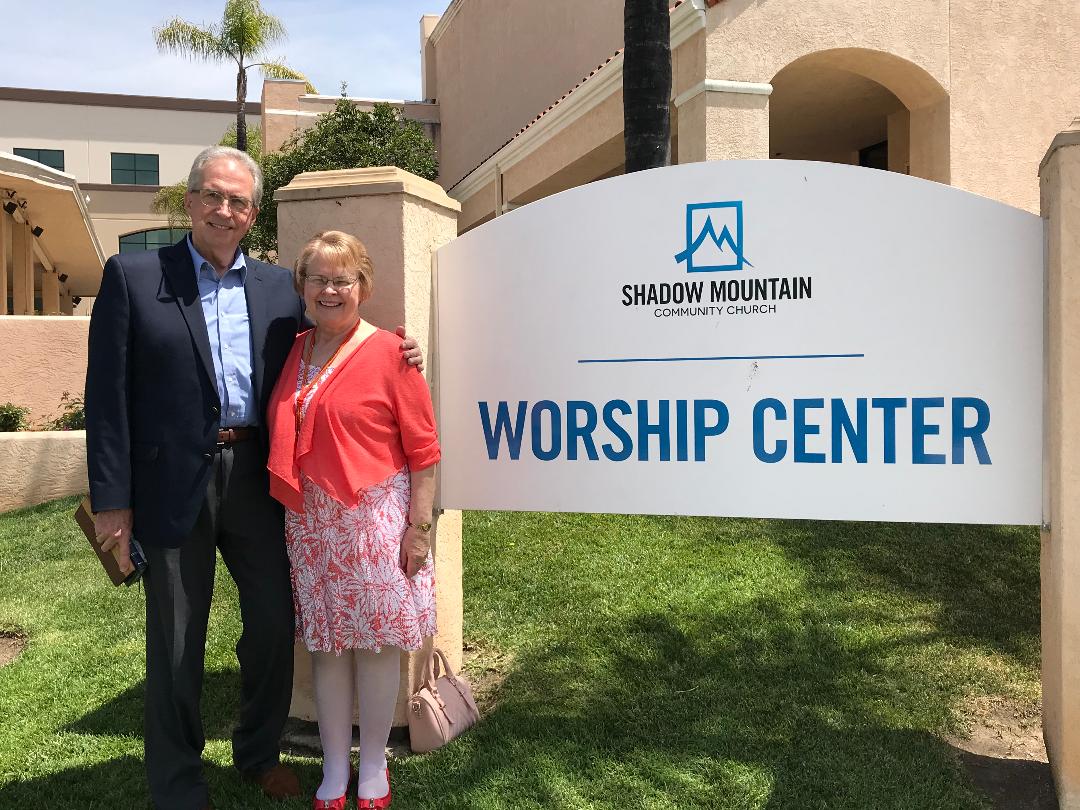
The Shadow Mountain Church Controversy
The Shadow Mountain Church controversy was a highly publicized dispute that occurred in the early 2000s within the Evangelical Lutheran Church in America (ELCA). The controversy centered on the ordination of a gay pastor, Rev. Bradley Schmeling, at Shadow Mountain Lutheran Church in El Cajon, California.
The ordination of Schmeling sparked a fierce debate within the ELCA, with some members supporting the decision and others strongly. The controversy eventually led to a schism within the ELCA, with some conservative congregations leaving to form a new denomination, the North American Lutheran Church (NALC).
The Shadow Mountain Church controversy was a significant event in the history of the ELCA, and it continues to be a source of debate and discussion today. The controversy raised important questions about the role of LGBTQ people in the church, the authority of the Bible, and the nature of Christian faith.
Shadow Mountain Church Controversy
The Shadow Mountain Church controversy was a significant event in the history of the Evangelical Lutheran Church in America (ELCA). The controversy centered on the ordination of a gay pastor, Rev. Bradley Schmeling, at Shadow Mountain Lutheran Church in El Cajon, California.
- LGBTQ rights
- Authority of the Bible
- Nature of Christian faith
- Schism within the ELCA
- Formation of the NALC
- Ongoing debate and discussion
- Landmark case in American Christianity
- Test of the ELCA's commitment to inclusivity
The Shadow Mountain Church controversy raised important questions about the role of LGBTQ people in the church, the authority of the Bible, and the nature of Christian faith. The controversy also led to a schism within the ELCA, with some conservative congregations leaving to form a new denomination, the North American Lutheran Church (NALC). The controversy continues to be a source of debate and discussion today, and it is considered a landmark case in American Christianity.
LGBTQ Rights
The Shadow Mountain Church controversy was a significant event in the history of the Evangelical Lutheran Church in America (ELCA). The controversy centered on the ordination of a gay pastor, Rev. Bradley Schmeling, at Shadow Mountain Lutheran Church in El Cajon, California.
- Discrimination against LGBTQ people
LGBTQ people have historically faced discrimination in many areas of life, including the church. The Shadow Mountain Church controversy brought this issue to the forefront of the ELCA, and it forced the church to confront its own policies and practices regarding LGBTQ people.
- The role of the Bible
The Bible is a central authority for many Christians, and it is often used to justify discrimination against LGBTQ people. However, there are many different ways to interpret the Bible, and not all Christians believe that it condemns homosexuality.
- The nature of Christian faith
The Shadow Mountain Church controversy raised important questions about the nature of Christian faith. Some Christians believe that the Bible is the only source of truth, while others believe that it is one of many sources of truth. Still others believe that the Bible is not the literal word of God, but rather a collection of stories and teachings that can be interpreted in many different ways.
- The future of the ELCA
The Shadow Mountain Church controversy led to a schism within the ELCA, with some conservative congregations leaving to form a new denomination, the North American Lutheran Church (NALC). The controversy also led to a change in the ELCA's policies regarding LGBTQ people. In 2009, the ELCA voted to allow openly gay pastors to serve in the church.
The Shadow Mountain Church controversy was a landmark event in the history of the ELCA. It raised important questions about LGBTQ rights, the role of the Bible, the nature of Christian faith, and the future of the ELCA. The controversy continues to be a source of debate and discussion today.
Authority of the Bible
The authority of the Bible is a central issue in the Shadow Mountain Church controversy. Conservative Christians believe that the Bible is the infallible word of God and that it should be interpreted literally. They believe that the Bible condemns homosexuality, and therefore they believe that ordaining gay pastors is a sin.
Liberal Christians, on the other hand, believe that the Bible is a product of its time and that it should be interpreted in light of modern scholarship. They believe that the Bible does not explicitly condemn homosexuality, and therefore they believe that ordaining gay pastors is not a sin.
The Shadow Mountain Church controversy has forced the ELCA to confront its own understanding of the authority of the Bible. The controversy has also raised important questions about the role of the Bible in Christian faith and practice.
The authority of the Bible is a complex issue with no easy answers. However, the Shadow Mountain Church controversy has helped to shed light on this issue and has forced Christians to think more deeply about the role of the Bible in their lives.
Nature of Christian faith
The nature of Christian faith is a central issue in the Shadow Mountain Church controversy. Conservative Christians believe that Christian faith is based on the literal interpretation of the Bible, and that homosexuality is a sin. Liberal Christians, on the other hand, believe that Christian faith is based on love and compassion, and that homosexuality is not a sin.
The Shadow Mountain Church controversy has forced the ELCA to confront its own understanding of the nature of Christian faith. The controversy has also raised important questions about the role of the Bible in Christian faith and practice.
The nature of Christian faith is a complex issue with no easy answers. However, the Shadow Mountain Church controversy has helped to shed light on this issue and has forced Christians to think more deeply about the role of faith in their lives.
Schism within the ELCA
The Shadow Mountain Church controversy led to a schism within the Evangelical Lutheran Church in America (ELCA). A schism is a division within a religious group, typically over doctrinal differences. In the case of the ELCA, the schism was over the ordination of gay pastors.
- Conservative vs. Liberal Views
The ELCA is a mainline Protestant denomination with a diverse range of beliefs. Some members of the ELCA are conservative and believe that the Bible should be interpreted literally. They believe that homosexuality is a sin, and therefore they believe that ordaining gay pastors is a sin.
- The Role of the Bible
The Bible is a central authority for many Christians, and it is often used to justify discrimination against LGBTQ people. However, there are many different ways to interpret the Bible, and not all Christians believe that it condemns homosexuality.
- The Nature of Christian Faith
The Shadow Mountain Church controversy raised important questions about the nature of Christian faith. Some Christians believe that the Bible is the only source of truth, while others believe that it is one of many sources of truth. Still others believe that the Bible is not the literal word of God, but rather a collection of stories and teachings that can be interpreted in many different ways.
- The Future of the ELCA
The Shadow Mountain Church controversy led to a schism within the ELCA, with some conservative congregations leaving to form a new denomination, the North American Lutheran Church (NALC). The controversy also led to a change in the ELCA's policies regarding LGBTQ people. In 2009, the ELCA voted to allow openly gay pastors to serve in the church.
The schism within the ELCA is a significant event in the history of the church. It reflects the diversity of beliefs within the ELCA and the challenges that the church faces in addressing issues of sexuality and gender.
Formation of the NALC
The formation of the North American Lutheran Church (NALC) was a direct result of the Shadow Mountain Church controversy. The NALC is a conservative Lutheran denomination that was formed in 2010 by congregations that left the Evangelical Lutheran Church in America (ELCA) over the ELCA's decision to allow openly gay pastors to serve in the church.
- Conservative vs. Liberal Views
The NALC is a conservative Lutheran denomination that believes that the Bible should be interpreted literally. The NALC believes that homosexuality is a sin, and therefore it does not allow openly gay people to serve as pastors.
- The Role of the Bible
The Bible is a central authority for the NALC. The NALC believes that the Bible is the infallible word of God and that it should be interpreted literally. The NALC uses the Bible to support its belief that homosexuality is a sin.
- The Nature of Christian Faith
The NALC believes that Christian faith is based on the literal interpretation of the Bible. The NALC believes that the Bible is the only source of truth and that it should be used to guide all aspects of Christian life.
- The Future of the NALC
The NALC is a growing denomination. The NALC currently has over 250 congregations in the United States and Canada. The NALC is expected to continue to grow in the future as more congregations leave the ELCA over the issue of homosexuality.
The formation of the NALC is a significant event in the history of American Christianity. The NALC is the first major Lutheran denomination to be formed in the United States in over a century. The NALC is a sign of the growing divide between conservative and liberal Christians in the United States.
Ongoing debate and discussion
The Shadow Mountain Church controversy has sparked ongoing debate and discussion about the role of LGBTQ people in the church, the authority of the Bible, and the nature of Christian faith. This debate has taken place within the ELCA and in the wider Christian community, and it is likely to continue for many years to come.
- LGBTQ rights
The Shadow Mountain Church controversy has raised important questions about the rights of LGBTQ people in the church. Some Christians believe that LGBTQ people should be welcomed and affirmed in the church, while others believe that they should be excluded. This debate is likely to continue as the ELCA and other Christian denominations grapple with the issue of LGBTQ rights.
- Authority of the Bible
The Shadow Mountain Church controversy has also raised important questions about the authority of the Bible. Some Christians believe that the Bible is the infallible word of God and that it should be interpreted literally. Others believe that the Bible is a product of its time and that it should be interpreted in light of modern scholarship. This debate is likely to continue as Christians seek to understand the role of the Bible in their lives.
- Nature of Christian faith
The Shadow Mountain Church controversy has also raised important questions about the nature of Christian faith. Some Christians believe that Christian faith is based on the literal interpretation of the Bible. Others believe that Christian faith is based on love and compassion. This debate is likely to continue as Christians seek to understand the nature of their faith.
The Shadow Mountain Church controversy has been a significant event in the history of the ELCA and the wider Christian community. The controversy has raised important questions about the role of LGBTQ people in the church, the authority of the Bible, and the nature of Christian faith. These debates are likely to continue for many years to come.
Landmark case in American Christianity
The Shadow Mountain Church controversy is a landmark case in American Christianity because it raised important questions about the role of LGBTQ people in the church, the authority of the Bible, and the nature of Christian faith. The controversy also led to a schism within the Evangelical Lutheran Church in America (ELCA), with some conservative congregations leaving to form a new denomination, the North American Lutheran Church (NALC).
The Shadow Mountain Church controversy began in 2006 when Rev. Bradley Schmeling, an openly gay pastor, was ordained at Shadow Mountain Lutheran Church in El Cajon, California. This ordination sparked a fierce debate within the ELCA, with some members supporting the decision and others strongly opposing it. The controversy eventually led to a schism within the ELCA, with some conservative congregations leaving to form the NALC.
The Shadow Mountain Church controversy is a landmark case in American Christianity because it raised important questions about the role of LGBTQ people in the church, the authority of the Bible, and the nature of Christian faith. The controversy also led to a schism within the ELCA, which is one of the largest Lutheran denominations in the United States. The controversy is a sign of the growing divide between conservative and liberal Christians in the United States.
Test of the ELCA's commitment to inclusivity
The Shadow Mountain Church controversy tested the Evangelical Lutheran Church in America's (ELCA) commitment to inclusivity. The controversy centered on the ordination of a gay pastor, Rev. Bradley Schmeling, at Shadow Mountain Lutheran Church in El Cajon, California. The ELCA is a mainline Protestant denomination with a history of being inclusive of LGBTQ people. However, the ordination of Schmeling sparked a fierce debate within the ELCA, with some members supporting the decision and others strongly opposing it.
- Discrimination against LGBTQ people
LGBTQ people have historically faced discrimination in many areas of life, including the church. The Shadow Mountain Church controversy brought this issue to the forefront of the ELCA, and it forced the church to confront its own policies and practices regarding LGBTQ people.
- The role of the Bible
The Bible is a central authority for many Christians, and it is often used to justify discrimination against LGBTQ people. However, there are many different ways to interpret the Bible, and not all Christians believe that it condemns homosexuality.
- The nature of Christian faith
The Shadow Mountain Church controversy raised important questions about the nature of Christian faith. Some Christians believe that Christian faith is based on the literal interpretation of the Bible, while others believe that it is based on love and compassion.
- The future of the ELCA
The Shadow Mountain Church controversy led to a schism within the ELCA, with some conservative congregations leaving to form a new denomination, the North American Lutheran Church (NALC). The controversy also led to a change in the ELCA's policies regarding LGBTQ people. In 2009, the ELCA voted to allow openly gay pastors to serve in the church.
The Shadow Mountain Church controversy was a significant event in the history of the ELCA. It tested the church's commitment to inclusivity and raised important questions about the role of LGBTQ people in the church, the authority of the Bible, and the nature of Christian faith. The controversy also led to a schism within the ELCA and a change in the church's policies regarding LGBTQ people.
FAQs about the Shadow Mountain Church Controversy
The Shadow Mountain Church controversy was a significant event in the history of the Evangelical Lutheran Church in America (ELCA). The controversy centered on the ordination of a gay pastor, Rev. Bradley Schmeling, at Shadow Mountain Lutheran Church in El Cajon, California. The controversy raised important questions about the role of LGBTQ people in the church, the authority of the Bible, and the nature of Christian faith.
Question 1: What was the Shadow Mountain Church controversy?
The Shadow Mountain Church controversy was a dispute within the Evangelical Lutheran Church in America (ELCA) over the ordination of a gay pastor, Rev. Bradley Schmeling, at Shadow Mountain Lutheran Church in El Cajon, California.
Question 2: What were the main issues in the controversy?
The main issues in the controversy were the role of LGBTQ people in the church, the authority of the Bible, and the nature of Christian faith.
Question 3: What was the outcome of the controversy?
The controversy led to a schism within the ELCA, with some conservative congregations leaving to form a new denomination, the North American Lutheran Church (NALC). The ELCA also changed its policies regarding LGBTQ people, and in 2009, the ELCA voted to allow openly gay pastors to serve in the church.
Question 4: What are the ongoing effects of the controversy?
The Shadow Mountain Church controversy continues to be a source of debate and discussion within the ELCA and the wider Christian community. The controversy has raised important questions about the role of LGBTQ people in the church, the authority of the Bible, and the nature of Christian faith.
Question 5: What are some of the key takeaways from the controversy?
Some of the key takeaways from the controversy are that the ELCA is a diverse church with a wide range of beliefs, that the Bible can be interpreted in different ways, and that Christian faith is based on love and compassion.
Question 6: What is the future of the ELCA?
The future of the ELCA is uncertain. The controversy has led to a schism within the church, and it is unclear how the ELCA will move forward. However, the ELCA is a resilient church with a long history, and it is likely to continue to be a significant force in American Christianity.
The Shadow Mountain Church controversy was a significant event in the history of the ELCA. The controversy raised important questions about the role of LGBTQ people in the church, the authority of the Bible, and the nature of Christian faith. The controversy also led to a schism within the ELCA and a change in the church's policies regarding LGBTQ people.
Tips on Shadow Mountain Church Controversy
The Shadow Mountain Church controversy was a significant event in the history of the Evangelical Lutheran Church in America (ELCA). The controversy raised important questions about the role of LGBTQ people in the church, the authority of the Bible, and the nature of Christian faith. The controversy also led to a schism within the ELCA and a change in the church's policies regarding LGBTQ people.
Tip 1: Understand the historical context of the controversy.
The Shadow Mountain Church controversy took place within the context of a larger debate about the role of LGBTQ people in the church. In the years leading up to the controversy, there had been a growing movement within the ELCA to ordain openly gay pastors. This movement was met with resistance from some conservative members of the ELCA, who believed that homosexuality is a sin.
Tip 2: Be aware of the different perspectives on the controversy.
There are a variety of different perspectives on the Shadow Mountain Church controversy. Some people believe that the ELCA was right to ordain openly gay pastors, while others believe that the ELCA made a mistake. It is important to be aware of these different perspectives when discussing the controversy.
Tip 3: Be respectful of all viewpoints.
When discussing the Shadow Mountain Church controversy, it is important to be respectful of all viewpoints. Even if you disagree with someone's opinion, it is important to listen to what they have to say and try to understand their perspective.
Tip 4: Be informed about the facts of the controversy.
When discussing the Shadow Mountain Church controversy, it is important to be informed about the facts of the controversy. This includes understanding the history of the controversy, the different perspectives on the controversy, and the outcome of the controversy.
Tip 5: Be open to dialogue.
The Shadow Mountain Church controversy is a complex issue with no easy answers. It is important to be open to dialogue about the controversy and to listen to the different perspectives on the issue.
Summary of key takeaways:
- The Shadow Mountain Church controversy was a significant event in the history of the ELCA.
- The controversy raised important questions about the role of LGBTQ people in the church, the authority of the Bible, and the nature of Christian faith.
- There are a variety of different perspectives on the controversy, and it is important to be respectful of all viewpoints.
- It is important to be informed about the facts of the controversy and to be open to dialogue.
The Shadow Mountain Church controversy is a complex issue with no easy answers. It is important to be informed about the facts of the controversy, to be respectful of all viewpoints, and to be open to dialogue.
Conclusion
The Shadow Mountain Church controversy was a significant event in the history of the Evangelical Lutheran Church in America (ELCA). The controversy raised important questions about the role of LGBTQ people in the church, the authority of the Bible, and the nature of Christian faith. The controversy also led to a schism within the ELCA and a change in the church's policies regarding LGBTQ people.
The Shadow Mountain Church controversy is a complex issue with no easy answers. It is important to be informed about the facts of the controversy, to be respectful of all viewpoints, and to be open to dialogue. The controversy is a reminder that the ELCA is a diverse church with a wide range of beliefs. It is also a reminder that the Bible can be interpreted in different ways, and that Christian faith is based on love and compassion.
Unveiling The Untold Stories Of Robert Young's Remarkable Daughters
Uncover The Enigmatic World Of Liam Wallace: Discoveries And Insights Await
Uncover The Hidden Truths: Raymond Burr's Wife Revealed