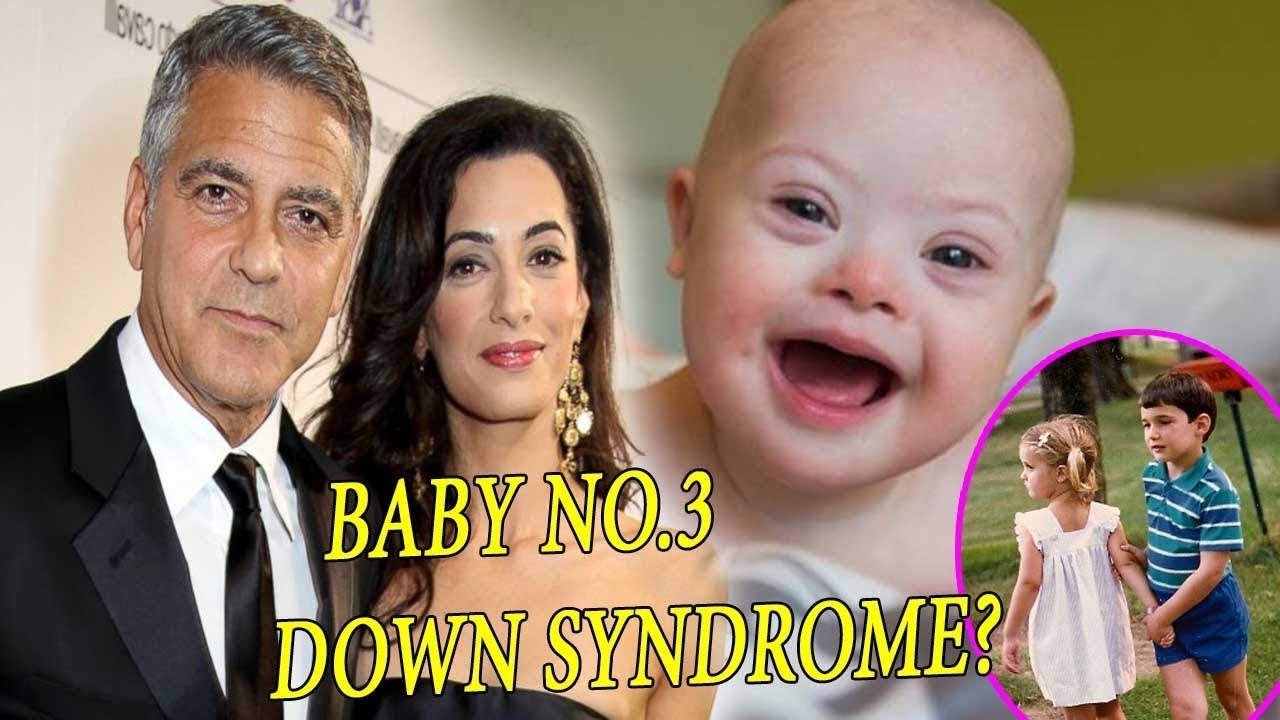
George Clooney's twins with Down syndrome are a source of joy and inspiration for the actor and his family.
Down syndrome is a genetic condition that causes intellectual disability and physical abnormalities. Clooney's twins, Ella and Alexander, were born in 2017 with Down syndrome. Clooney has said that having children with Down syndrome has changed his life for the better. He has become an advocate for people with Down syndrome and has spoken out about the importance of inclusion and acceptance.
The birth of Clooney's twins has brought attention to Down syndrome and has helped to break down stereotypes about people with disabilities. Clooney's twins are a reminder that people with Down syndrome are just like everyone else. They have the same hopes, dreams, and aspirations as anyone else. They deserve to be treated with respect and dignity.
George Clooney Twins Down Syndrome
The birth of George Clooney's twins with Down syndrome in 2017 brought attention to this genetic condition and helped to break down stereotypes about people with disabilities. Here are seven key aspects of George Clooney twins down syndrome:
- Genetic condition: Down syndrome is caused by an extra copy of chromosome 21.
- Intellectual disability: People with Down syndrome typically have mild to moderate intellectual disability.
- Physical abnormalities: People with Down syndrome may have distinctive physical features, such as a round face, short stature, and an upward slant to the eyes.
- Health problems: People with Down syndrome are more likely to have certain health problems, such as heart defects, digestive problems, and hearing loss.
- Life expectancy: The life expectancy of people with Down syndrome has increased significantly in recent years, and many people with Down syndrome now live into their 60s and 70s.
- Inclusion: People with Down syndrome should be included in all aspects of society, including education, employment, and social activities.
- Acceptance: People with Down syndrome deserve to be treated with respect and dignity.
Clooney has said that having children with Down syndrome has changed his life for the better. He has become an advocate for people with Down syndrome and has spoken out about the importance of inclusion and acceptance. The birth of Clooney's twins has helped to raise awareness of Down syndrome and has inspired others to embrace people with disabilities.
Personal details and bio data of George Clooney
| Name | Born | Occupation |
|---|---|---|
| George Timothy Clooney | May 6, 1961 | Actor, director, producer, screenwriter |
Genetic condition
Down syndrome is a genetic condition that is caused by the presence of an extra copy of chromosome 21. This extra copy of chromosome 21 can cause a range of physical and intellectual disabilities. George Clooney's twins, Ella and Alexander, were born with Down syndrome in 2017.
- Physical features: People with Down syndrome may have distinctive physical features, such as a round face, short stature, and an upward slant to the eyes.
- Intellectual disability: People with Down syndrome typically have mild to moderate intellectual disability.
- Health problems: People with Down syndrome are more likely to have certain health problems, such as heart defects, digestive problems, and hearing loss.
- Life expectancy: The life expectancy of people with Down syndrome has increased significantly in recent years, and many people with Down syndrome now live into their 60s and 70s.
The birth of George Clooney's twins has helped to raise awareness of Down syndrome and has inspired others to embrace people with disabilities. Clooney has said that having children with Down syndrome has changed his life for the better. He has become an advocate for people with Down syndrome and has spoken out about the importance of inclusion and acceptance.
Intellectual disability
Intellectual disability is a common symptom of Down syndrome. It can affect a person's ability to learn, think, and solve problems. People with Down syndrome may also have difficulty with language and communication skills. The severity of intellectual disability can vary from person to person.
George Clooney's twins, Ella and Alexander, were born with Down syndrome in 2017. Clooney has said that his twins have mild intellectual disability. He has also said that they are happy and healthy children who bring him and his wife Amal great joy.
The birth of Clooney's twins has helped to raise awareness of Down syndrome and has inspired others to embrace people with disabilities. Clooney has said that he hopes his twins will help to break down stereotypes about people with Down syndrome and show the world that they are just like everyone else.
Physical abnormalities
Physical abnormalities are common symptoms of Down syndrome. These abnormalities can vary from person to person, but some of the most common include a round face, short stature, and an upward slant to the eyes. George Clooney's twins, Ella and Alexander, were born with Down syndrome in 2017. Both Ella and Alexander have some of the physical characteristics associated with Down syndrome, such as a round face and an upward slant to the eyes.
- Facial features: People with Down syndrome may have a round face with a short nose and a wide mouth. They may also have an upward slant to their eyes and epicanthal folds, which are skin folds that cover the inner corner of the eye.
- Short stature: People with Down syndrome are often shorter than average. They may also have a shorter neck and shorter limbs.
- Other physical abnormalities: People with Down syndrome may also have other physical abnormalities, such as heart defects, digestive problems, and hearing loss.
The physical abnormalities associated with Down syndrome can vary from person to person. Some people with Down syndrome may only have a few of these abnormalities, while others may have many. The severity of these abnormalities can also vary. Some people with Down syndrome may have mild abnormalities that do not affect their daily lives, while others may have more severe abnormalities that require medical attention.
Health problems
People with Down syndrome are more likely to have certain health problems, such as heart defects, digestive problems, and hearing loss. This is because the extra copy of chromosome 21 can affect the development of many different organs and systems in the body.
- Heart defects: People with Down syndrome are more likely to be born with heart defects, such as atrial septal defect (ASD) and ventricular septal defect (VSD). These defects can cause a variety of problems, including shortness of breath, fatigue, and heart failure.
- Digestive problems: People with Down syndrome are also more likely to have digestive problems, such as Hirschsprung disease and celiac disease. These problems can cause abdominal pain, diarrhea, and constipation.
- Hearing loss: People with Down syndrome are more likely to have hearing loss. This can be due to a variety of factors, including ear infections and fluid in the ears.
The health problems associated with Down syndrome can vary from person to person. Some people with Down syndrome may only have a few minor health problems, while others may have more serious health problems that require medical treatment. It is important for people with Down syndrome to receive regular medical care to monitor their health and to treat any health problems that may arise.
Life expectancy
The increased life expectancy of people with Down syndrome is due to a number of factors, including advances in medical care, early intervention services, and a greater understanding of the condition. In the past, people with Down syndrome often died in infancy or childhood from heart defects or other health problems. Today, thanks to advances in medical care, most people with Down syndrome can live long and healthy lives.
Early intervention services, such as speech therapy, physical therapy, and occupational therapy, can also help people with Down syndrome to reach their full potential. These services can help children with Down syndrome to learn to walk, talk, and care for themselves. They can also help children with Down syndrome to develop social skills and to learn how to interact with others.
A greater understanding of Down syndrome has also led to a more positive attitude towards people with the condition. In the past, people with Down syndrome were often stigmatized and excluded from society. Today, people with Down syndrome are more likely to be accepted and included in all aspects of society.
The increased life expectancy of people with Down syndrome is a testament to the progress that has been made in understanding and treating this condition. It is also a testament to the strength and resilience of people with Down syndrome and their families.
Inclusion
The inclusion of people with Down syndrome in all aspects of society is essential for their full participation and citizenship. People with Down syndrome have the right to be educated, employed, and to participate in social activities just like everyone else.
The inclusion of people with Down syndrome in education is particularly important. Education can help people with Down syndrome to develop their skills and abilities, and to reach their full potential. Inclusive education can also help to break down stereotypes and to promote understanding and acceptance of people with Down syndrome.
The employment of people with Down syndrome is also important. Work can provide people with Down syndrome with a sense of purpose and accomplishment. It can also help them to develop their skills and abilities, and to become more independent.
The inclusion of people with Down syndrome in social activities is also important. Social activities can help people with Down syndrome to develop their social skills, and to make friends. They can also help people with Down syndrome to feel connected to their community.
The inclusion of people with Down syndrome in all aspects of society is a key component of their full participation and citizenship. It is also a key component of creating a more inclusive and just society for all.
Acceptance
The birth of George Clooney's twins with Down syndrome in 2017 brought attention to the importance of acceptance for people with Down syndrome. Clooney has said that having children with Down syndrome has changed his life for the better. He has become an advocate for people with Down syndrome and has spoken out about the importance of inclusion and acceptance.
Clooney's twins, Ella and Alexander, are happy and healthy children who bring their parents great joy. Their story is a reminder that people with Down syndrome are just like everyone else. They deserve to be treated with respect and dignity.
The acceptance of people with Down syndrome is essential for their full participation in society. People with Down syndrome have the right to be educated, employed, and to participate in social activities just like everyone else. When people with Down syndrome are accepted and included, they can reach their full potential and live happy and fulfilling lives.
FAQs about Down Syndrome
Down syndrome is a genetic condition that is caused by the presence of an extra copy of chromosome 21. People with Down syndrome may have a range of physical and intellectual disabilities. However, with early intervention and support, people with Down syndrome can live happy and fulfilling lives.
Question 1: What are the common physical characteristics of Down syndrome?
Answer: People with Down syndrome may have a round face, short stature, and an upward slant to the eyes.
Question 2: What are the common intellectual disabilities associated with Down syndrome?
Answer: People with Down syndrome may have mild to moderate intellectual disability, which can affect their ability to learn, think, and solve problems.
Question 3: What are the common health problems associated with Down syndrome?
Answer: People with Down syndrome are more likely to have certain health problems, such as heart defects, digestive problems, and hearing loss.
Question 4: What is the life expectancy of people with Down syndrome?
Answer: The life expectancy of people with Down syndrome has increased significantly in recent years, and many people with Down syndrome now live into their 60s and 70s.
Question 5: How can people with Down syndrome be included in society?
Answer: People with Down syndrome should be included in all aspects of society, including education, employment, and social activities. Inclusive education and employment can help people with Down syndrome to develop their skills and abilities, and to reach their full potential.
Question 6: How can we promote acceptance of people with Down syndrome?
Answer: We can promote acceptance of people with Down syndrome by raising awareness of the condition, and by challenging stereotypes and discrimination.
Summary of key takeaways or final thought:
Down syndrome is a genetic condition that can cause a range of physical and intellectual disabilities. However, with early intervention and support, people with Down syndrome can live happy and fulfilling lives. It is important to promote acceptance of people with Down syndrome and to challenge stereotypes and discrimination.
Tips for Supporting Individuals with Down Syndrome
Individuals with Down syndrome may require additional support to reach their full potential. Here are some tips for providing support:
Tip 1: Provide early intervention. Early intervention services, such as speech therapy, physical therapy, and occupational therapy, can help children with Down syndrome to learn and develop skills more easily.
Tip 2: Encourage inclusion. People with Down syndrome should be included in all aspects of society, including education, employment, and social activities. Inclusive environments can help people with Down syndrome to feel valued and respected.
Tip 3: Be patient and understanding. People with Down syndrome may learn and develop at a different pace than others. It is important to be patient and understanding, and to provide support and encouragement along the way.
Tip 4: Celebrate strengths. People with Down syndrome have many strengths and abilities. It is important to celebrate their strengths and to help them to develop their full potential.
Tip 5: Provide opportunities for success. People with Down syndrome need opportunities to succeed in order to build confidence and self-esteem. Provide them with opportunities to participate in activities that they enjoy and that they are good at.
Tip 6: Be an advocate. People with Down syndrome may face discrimination and prejudice. It is important to be an advocate for their rights and to challenge stereotypes.
Tip 7: Educate yourself. Learn as much as you can about Down syndrome. This will help you to better understand the condition and to provide support to individuals with Down syndrome.
Summary of key takeaways or benefits:
By following these tips, you can help to create a more inclusive and supportive environment for people with Down syndrome. You can also help them to reach their full potential and live happy and fulfilling lives.
Transition to the article's conclusion:
Down syndrome is a genetic condition that can cause a range of physical and intellectual disabilities. However, with early intervention and support, people with Down syndrome can live happy and fulfilling lives.
Conclusion
The birth of George Clooney's twins with Down syndrome has brought attention to this genetic condition and has helped to break down stereotypes about people with disabilities. Clooney's twins are a reminder that people with Down syndrome are just like everyone else. They deserve to be treated with respect and dignity.
It is important to promote acceptance of people with Down syndrome and to challenge stereotypes and discrimination. We can all play a role in creating a more inclusive society for people with Down syndrome and for all people with disabilities.
Does Freddie Highmore Have An Identical Twin Brother? Uncover The Truth
Stunning Iris Timberlake: A Timeless Voice And Style Icon
Tragic Loss: Helen Reddy's Daughter Found Dead