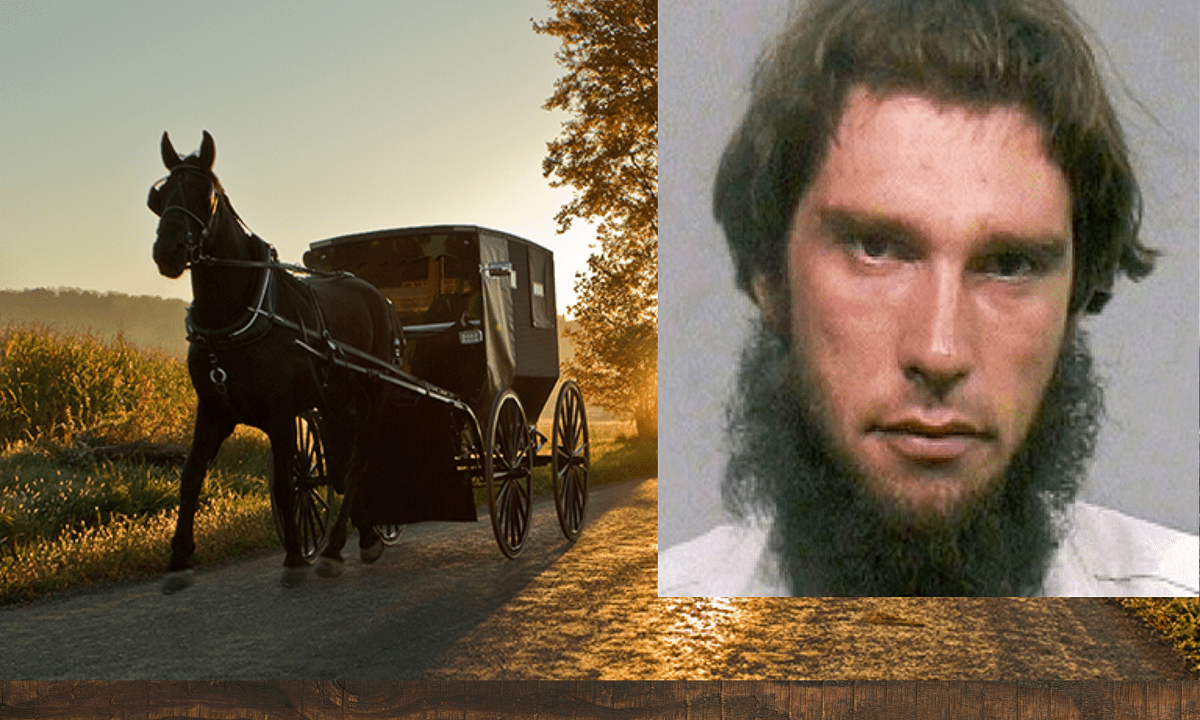
Amish Stud Cast: A Fascinating Subculture of Amish Society
The Amish stud cast refers to a specific subgroup within the Amish community known for their distinctive breeding practices and emphasis on physical strength and virility. Stud casts are primarily composed of young, unmarried Amish men who engage in controlled breeding to preserve and enhance the genetic traits of their horses.
The practice of stud casting holds great importance within Amish society. It ensures the continuation of strong and healthy bloodlines for their prized draft horses, which are essential for their agricultural lifestyle. Stud casts also serve as a way to maintain genetic diversity and prevent inbreeding within the community.
The Amish stud cast is a fascinating subculture that offers a glimpse into the unique customs and traditions of this religious group. Their breeding practices are deeply rooted in their values and beliefs, and the stud cast plays a vital role in preserving the Amish way of life.
In this article, we will delve deeper into the Amish stud cast, exploring their history, practices, and cultural significance. We will also examine the ethical implications and controversies surrounding this unique subculture.
Amish Stud Cast
The Amish stud cast is a unique subculture within the Amish community, characterized by its focus on horse breeding and physical strength. Here are nine key aspects that explore various dimensions of this fascinating practice:
- Selective Breeding: Amish stud casts engage in controlled breeding practices to preserve and enhance the genetic traits of their horses.
- Virility and Strength: Stud cast members are known for their physical strength and virility, which are highly valued within Amish society.
- Horse Power: The horses bred by stud casts are essential for the Amish agricultural lifestyle, providing transportation and labor.
- Genetic Diversity: Stud casts help maintain genetic diversity within the Amish horse population, preventing inbreeding.
- Community Status: Membership in a stud cast brings prestige and status within the Amish community.
- Cultural Preservation: Stud casts play a vital role in preserving the traditional Amish way of life.
- Ethical Considerations: The breeding practices of stud casts raise ethical questions about animal welfare and genetic manipulation.
- Controversies: Stud casts have been the subject of controversy and criticism from outside the Amish community.
- Resilience and Adaptation: Despite facing criticism, stud casts have demonstrated resilience and adaptability, continuing to practice their traditions.
These key aspects provide a comprehensive overview of the Amish stud cast, highlighting its cultural significance, breeding practices, and the ethical considerations surrounding it. Stud casts are a testament to the unique customs and traditions of the Amish community, and their practices continue to shape the Amish way of life.
Selective Breeding
Selective breeding is a cornerstone of the Amish stud cast, a subculture within the Amish community known for its emphasis on horse breeding and physical strength. This controlled breeding is essential for preserving and enhancing the genetic traits of their horses, which play a vital role in the Amish agricultural lifestyle.
The Amish stud cast carefully selects stallions and mares for breeding based on their desired traits, such as strength, endurance, and temperament. This selective breeding process helps to maintain the quality and genetic diversity of their horse population, ensuring that future generations of horses possess the desired characteristics.
By engaging in selective breeding, Amish stud casts contribute to the preservation of traditional Amish farming practices. Their horses are essential for transportation, fieldwork, and other agricultural activities. The selective breeding practices of stud casts ensure that these horses remain strong, healthy, and well-suited to the Amish way of life.
The importance of selective breeding within the Amish stud cast cannot be overstated. It is a practice that has been passed down through generations and is deeply ingrained in their culture. By preserving and enhancing the genetic traits of their horses, stud casts play a vital role in maintaining the Amish agricultural heritage and way of life.
Virility and Strength
Within the Amish stud cast subculture, virility and strength are highly prized qualities. This emphasis is deeply rooted in the Amish cultural values that place a premium on physical labor and the ability to provide for one's family.
- Physical Labor: Amish life is characterized by a strong work ethic and a reliance on manual labor. Stud cast members are expected to be physically strong and capable of performing demanding tasks, such as farming, construction, and horse breeding.
- Provider Role: In Amish society, men are expected to be the primary providers for their families. Physical strength and virility are seen as essential qualities for fulfilling this role, as they demonstrate the man's ability to support and protect his family.
- Community Status: Within the Amish community, stud cast members often enjoy a higher social status due to their physical prowess. Their strength and virility are admired and respected, and they may be called upon to take on leadership roles within the community.
- Horse Breeding: The Amish stud cast is primarily focused on horse breeding. Physical strength is necessary for handling and caring for the horses, while virility is essential for successful breeding.
The emphasis on virility and strength within the Amish stud cast is a reflection of the community's values and lifestyle. These qualities are seen as essential for maintaining the Amish way of life and fulfilling one's role within the community.
Horse Power
Within the Amish stud cast subculture, the horses bred by stud cast members play a vital role in the Amish agricultural lifestyle. These horses are essential for providing transportation and labor, and their strength and endurance are highly valued by the Amish community.
- Transportation: Amish people typically do not own or operate motor vehicles due to their religious beliefs. Horses provide a crucial means of transportation for Amish families, allowing them to travel to church, visit neighbors, and conduct business.
- Farm Labor: Horses are essential for farm work in Amish communities. They are used to plow fields, pull heavy loads, and transport goods. Amish farmers rely on their horses to help them cultivate their land and provide for their families.
- Strength and Endurance: The horses bred by stud casts are known for their exceptional strength and endurance. These qualities are essential for the demanding tasks that Amish farmers require of their horses.
- Economic Value: Horses represent a significant economic asset for Amish families. They are often sold to other Amish farmers or to non-Amish buyers, providing an important source of income for stud cast members.
The connection between horse power and the Amish stud cast is undeniable. The horses bred by stud casts are the lifeblood of the Amish agricultural lifestyle, providing essential transportation and labor. The strength and endurance of these horses are highly valued by the Amish community, and stud cast members play a vital role in preserving and enhancing these traits through their selective breeding practices.
Genetic Diversity
Within the Amish stud cast subculture, maintaining genetic diversity plays a crucial role in ensuring the health and vitality of their horse population. Stud casts engage in careful breeding practices to prevent inbreeding, which can lead to genetic defects and health problems.
- Selective Breeding: Stud casts selectively breed horses with different genetic backgrounds to introduce new traits and maintain genetic variation. This helps to prevent the accumulation of harmful recessive genes that can cause inherited diseases.
- Outcrossing: Stud casts sometimes introduce horses from outside their community to increase genetic diversity. This practice helps to bring in new bloodlines and reduce the risk of inbreeding.
- Pedigree Tracking: Amish stud casts meticulously track the pedigrees of their horses to avoid breeding closely related individuals. This allows them to identify potential genetic problems and make informed breeding decisions.
- Community Collaboration: Stud casts often collaborate with other Amish communities to exchange breeding stock and share genetic information. This helps to maintain genetic diversity across the broader Amish horse population.
The efforts of Amish stud casts to maintain genetic diversity are essential for the health and well-being of their horses. By preventing inbreeding, stud casts ensure that future generations of Amish horses will be strong, healthy, and resistant to genetic disorders.
Community Status
Within the Amish stud cast subculture, membership holds a significant position, bringing prestige and status to its members. This elevated standing stems from the cultural values and beliefs that Amish society places on strength, virility, and the ability to provide for one's family.
For the Amish, physical strength and virility are highly esteemed qualities, as they are seen as essential for fulfilling traditional gender roles and responsibilities. Stud cast members, who embody these traits, are respected and admired within their communities. Their ability to breed strong and healthy horses is viewed as a valuable contribution to the Amish way of life.
Furthermore, membership in a stud cast demonstrates a man's commitment to the community and his willingness to contribute to its well-being. Stud casts play a vital role in maintaining the genetic diversity and quality of Amish horses, which are essential for agricultural work and transportation. By participating in stud cast activities, members demonstrate their dedication to preserving the Amish heritage and traditions.
In summary, the connection between community status and membership in an Amish stud cast is deeply rooted in the cultural values and practical needs of the Amish community. This elevated status reflects the importance placed on strength, virility, and the ability to provide for one's family, as well as the contribution that stud casts make to the preservation of Amish traditions and the well-being of the community.
Cultural Preservation
The Amish stud cast subculture is deeply intertwined with the preservation of the traditional Amish way of life. Stud casts play a central role in maintaining the genetic integrity and quality of Amish horses, which are essential for agricultural work and transportation within the community. By selectively breeding horses with desirable traits, stud casts help to ensure that future generations of Amish horses will be strong, healthy, and well-suited to the Amish lifestyle.
Beyond their practical significance, Amish stud casts also hold cultural and symbolic value. The horses bred by stud casts are often used in traditional Amish ceremonies and events, such as weddings and funerals. These horses represent the strength, endurance, and virility that are highly prized within Amish society. Furthermore, the stud cast subculture itself is a reflection of the Amish commitment to self-reliance and community cooperation.
In conclusion, the connection between cultural preservation and Amish stud casts is multifaceted and profound. Stud casts play a vital role in maintaining the genetic diversity and quality of Amish horses, which are essential for the Amish way of life. They also embody the cultural values and traditions that are central to Amish identity. By understanding this connection, we gain a deeper appreciation for the unique and fascinating subculture of Amish stud casts.
Ethical Considerations
The breeding practices of Amish stud casts raise ethical concerns regarding animal welfare and genetic manipulation. Amish stud casts selectively breed horses to enhance desirable traits, such as strength and virility, which raises questions about the potential impact on the well-being of the horses involved. Critics argue that these practices may prioritize genetic enhancement over the natural health and comfort of the animals.
Moreover, the selective breeding techniques employed by stud casts can lead to genetic manipulation, as breeders aim to control and alter the genetic makeup of their horses to achieve specific outcomes. This raises concerns about the potential long-term effects on the genetic diversity and resilience of the Amish horse population. Furthermore, critics question the ethical implications of manipulating animals for human purposes, particularly when it involves altering their natural genetic traits.
Understanding these ethical considerations is crucial for assessing the impact of stud cast practices on animal welfare and genetic diversity. By acknowledging these concerns, stud casts can strive to find a balance between preserving the traditional Amish way of life and ensuring the well-being of their horses. Open and transparent discussions about ethical implications can lead to more responsible and sustainable breeding practices within the Amish stud cast subculture.
Controversies
The Amish stud cast subculture has faced controversies and criticism from outside the Amish community, primarily centered around ethical concerns regarding animal welfare and genetic manipulation. Critics argue that the selective breeding practices employed by stud casts prioritize genetic enhancement over the natural health and comfort of the horses involved.
One major criticism is that the selective breeding techniques used by stud casts can lead to genetic manipulation, as breeders aim to control and alter the genetic makeup of their horses to achieve specific outcomes. This raises concerns about the potential long-term effects on the genetic diversity and resilience of the Amish horse population. Critics question the ethical implications of manipulating animals for human purposes, particularly when it involves altering their natural genetic traits.
These controversies highlight the importance of considering the ethical implications of animal breeding practices and the need for responsible and sustainable approaches. Understanding these criticisms can help foster a broader discussion about the balance between preserving cultural traditions and ensuring the well-being of animals.
Resilience and Adaptation
The Amish stud cast subculture has faced criticism and controversies from outside the Amish community, primarily centered around ethical concerns regarding animal welfare and genetic manipulation. However, despite these challenges, stud casts have demonstrated resilience and adaptability, continuing to practice their traditions.
The resilience of stud casts stems from their deep-rooted beliefs and values. Selective breeding practices are an integral part of their cultural identity and way of life. Stud casts believe that their practices are essential for maintaining the strength, health, and genetic diversity of their horses, which are vital for their agricultural lifestyle and cultural traditions.
To address the ethical concerns raised by critics, some stud casts have adopted more responsible and sustainable breeding practices. They have implemented measures to ensure the well-being of their horses and minimize the potential impact on genetic diversity. By embracing adaptability and innovation while staying true to their core values, stud casts have found ways to continue their traditions in a manner that addresses ethical concerns.
The resilience and adaptability of Amish stud casts serve as a testament to their commitment to their cultural heritage. Despite facing criticism, they have remained steadfast in their practices while also demonstrating a willingness to evolve and adapt to changing societal norms and ethical considerations. Their story highlights the importance of cultural preservation and the ability to find a balance between tradition and progress.
Frequently Asked Questions about Amish Stud Casts
This section addresses common questions and misconceptions surrounding Amish stud casts, providing informative answers based on research and cultural insights.
Question 1: What is the purpose of Amish stud casts?
Stud casts are subcultures within the Amish community focused on breeding horses. They selectively breed horses to preserve and enhance desirable traits, such as strength, virility, and genetic diversity, which are essential for their agricultural lifestyle and cultural traditions.
Question 2: Are stud cast practices ethical?
The ethical implications of stud cast practices have been debated. Critics raise concerns about animal welfare and genetic manipulation. However, some stud casts have adopted responsible breeding practices to address these concerns, ensuring the well-being of their horses and maintaining genetic diversity.
Question 3: How do stud casts contribute to the Amish community?
Stud casts play a vital role in the Amish community. They provide horses essential for transportation, farm work, and cultural events. By maintaining the health and genetic diversity of their horses, stud casts contribute to the sustainability and resilience of the Amish way of life.
Question 4: Are stud casts open to outsiders?
The level of openness to outsiders varies among stud casts. Some may be more receptive to visitors or inquiries, while others maintain a degree of privacy. It is important to respect the boundaries and customs of each stud cast.
Question 5: How can I learn more about Amish stud casts?
There are various resources available to learn more about Amish stud casts. Books, articles, and documentaries provide insights into their practices, cultural significance, and ethical considerations. Additionally, respectful interactions with Amish community members can offer valuable firsthand perspectives.
Question 6: What is the future of Amish stud casts?
The future of Amish stud casts is shaped by a combination of factors, including cultural preservation, ethical considerations, and societal changes. As the Amish community evolves, stud casts will likely continue to adapt their practices while preserving their core values and traditions.
In conclusion, Amish stud casts are a unique and fascinating subculture within the Amish community, with practices and values deeply rooted in their way of life. Understanding their purpose, ethical considerations, and cultural significance helps us appreciate the complexities and diversity of human societies.
Transitioning to the next section: This article continues to explore the Amish stud cast subculture, examining its historical origins, cultural practices, and the unique role it plays within the broader Amish community.
Conclusion
In exploring the Amish stud cast subculture, this article has delved into its historical origins, cultural practices, and the unique role it plays within the broader Amish community. Stud casts are fascinating subcultures that embody the Amish values of strength, virility, and community.
While ethical considerations regarding animal welfare and genetic manipulation have been raised, it is important to recognize the deep-rooted cultural significance of stud casts within the Amish way of life. Their practices are an integral part of maintaining the health and genetic diversity of their horses, which are essential for their agricultural lifestyle and cultural traditions.
As the Amish community continues to evolve, stud casts will likely adapt their practices while preserving their core values and traditions. Their resilience and dedication to their cultural heritage serve as a reminder of the diversity and richness of human societies.
Understanding the Amish stud cast subculture encourages us to appreciate the complexities of cultural practices and the importance of respecting different ways of life.
Celine Dion's Heartbreaking Funeral: A Tribute To An Icon
Do Not Miss Out: Uncover The Truth Behind Trevor Donovan's Relationship Status
The Unparalleled Amish Stud Cast: Experience The Untamed Charm And Sensuality